⚙️ 1️⃣ ENGINE SWAP MOUNTING KIT
high engineering · low availability
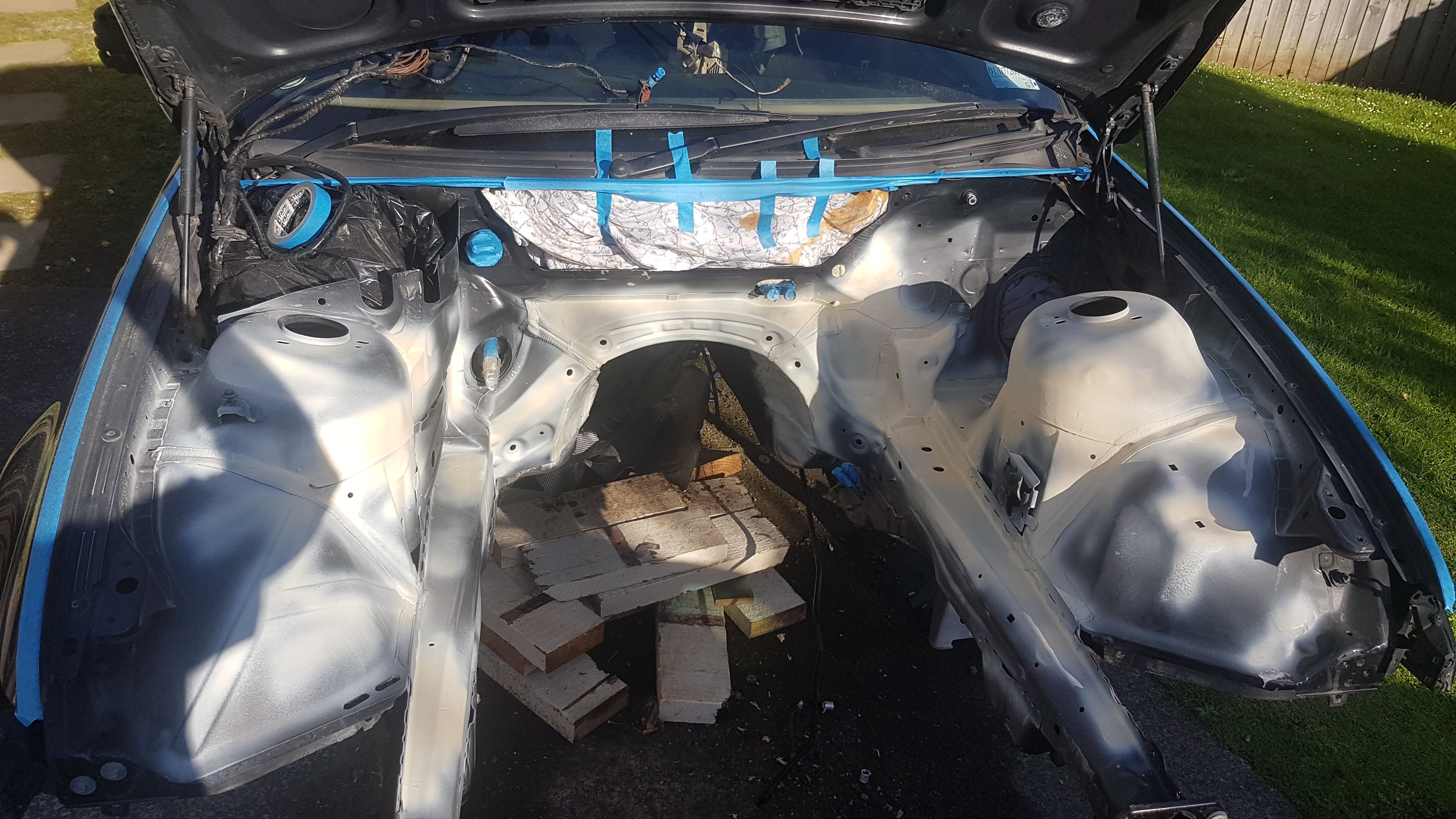
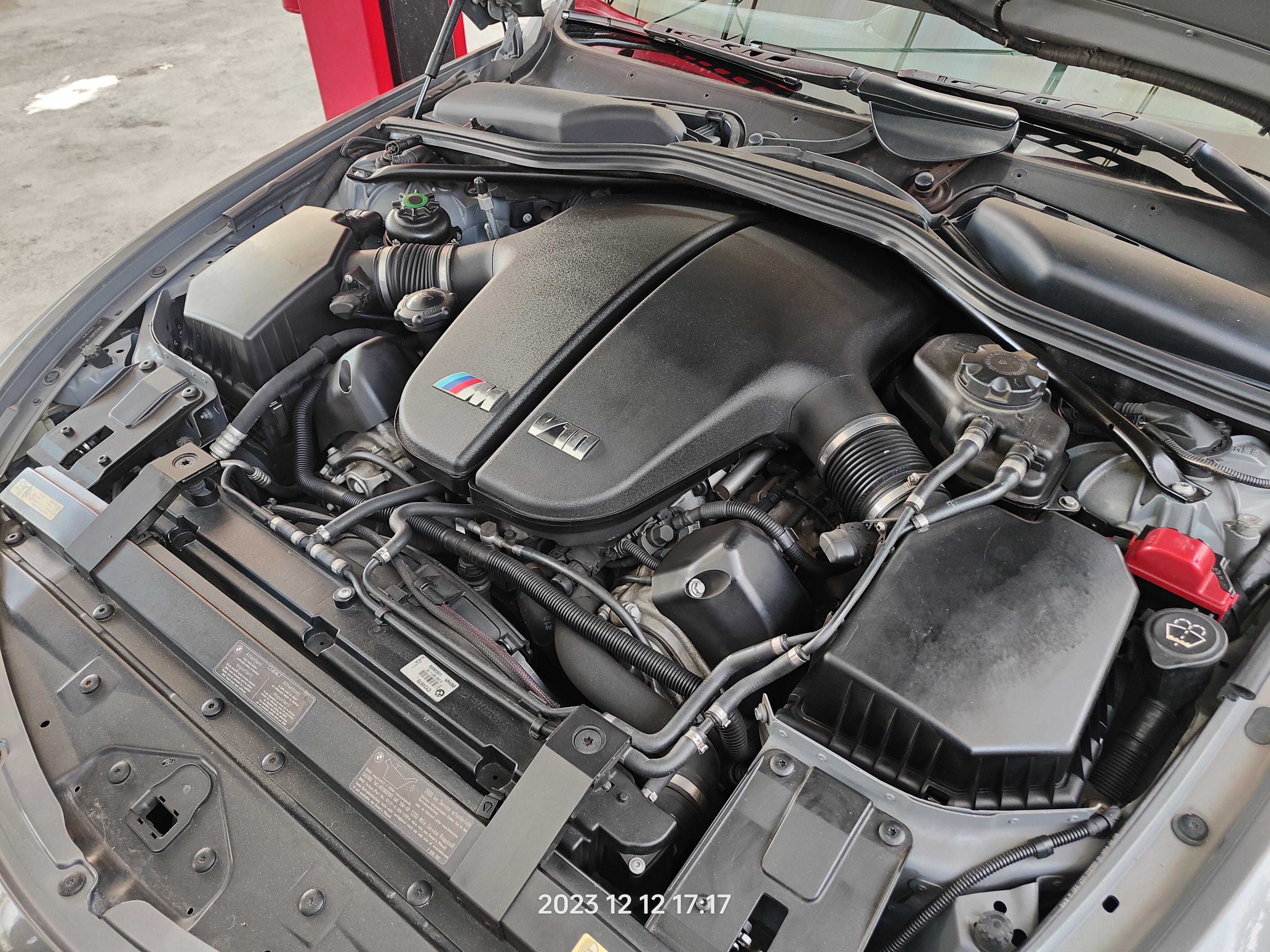
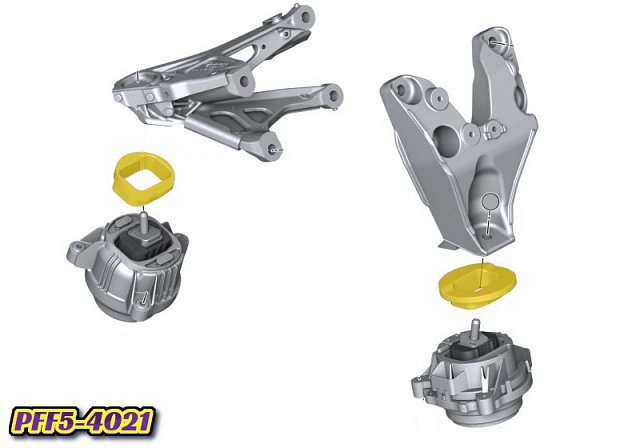

🔩 What an Engine Mounting Kit Must Handle
This is not just a metal bracket. It must control:
- Engine placement (X-Y-Z alignment)
- Drivetrain angle
- Torque transfer to subframe
- Weight distribution shift
- Vibration harmonics
- Oil pan and steering rack clearance
- Transmission alignment
In extreme swaps (S62 V8 / S85 V10):
You are solving packaging engineering, not just fitment.
Even millimeter-level misalignment can cause:
- Driveshaft vibration
- Premature mount failure
- Structural stress cracks
- Handling imbalance
📦 Why Availability Is Limited
1️⃣ Very Low Volume Demand
Few builders attempt V8/V10 M5 swaps into compact 3 Series chassis. Aftermarket production follows demand. Low demand → low production → limited availability.
2️⃣ High Engineering Variability
Every swap build may differ: subframe modifications, oil pan configuration, transmission choice, ECU integration, cooling layout. Standardization becomes difficult.
3️⃣ Production Economics
Forged mounts require expensive tooling + high-volume production to justify cost. Because volume is small, most solutions are CNC billet, fabricated steel, or fully custom-made. Fully forged, mass-produced swap mounts are extremely rare.
🔄 2️⃣ ANGLE KIT
moderate complexity · high availability

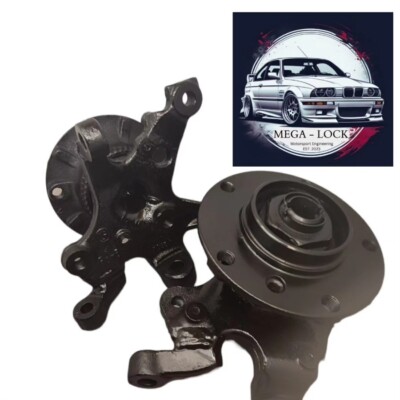

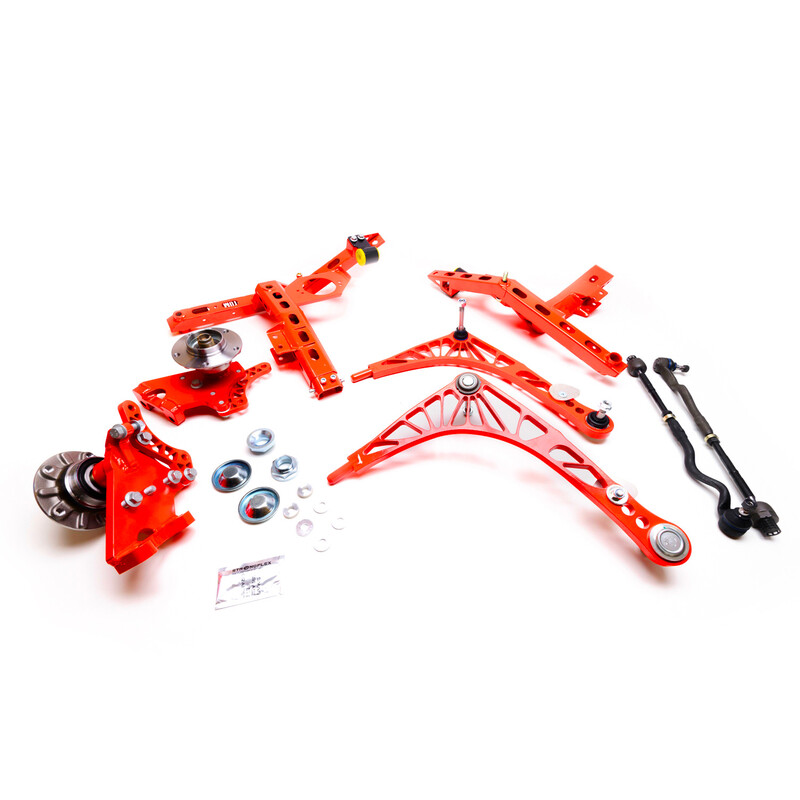
⚙️ What an Angle Kit Modifies
- Steering knuckle geometry
- Tie rod mounting points
- Ackermann angle
- Maximum steering lock
Goal: increase steering angle, improve drift control, prevent steering bind.
📈 Why Angle Kits Are Widely Available
1️⃣ Large Global Drift Market
E36/E46 chassis are among the most popular drift platforms worldwide. High demand → mass production.
2️⃣ Predictable Engineering Scope
Angle kits: do not relocate the engine, do not alter drivetrain alignment, do not change chassis load structure. They modify front suspension geometry within defined parameters.
3️⃣ Standardized Fitment
Manufacturers can design once, test once, produce at scale, sell globally. This supports repeatable plug-and-play products.
🔎 DIFFERENCE IN “MORE RARE vs LESS RARE” ASPECT
This is the core distinction.
🔴 MORE RARE
Engine swap mounting
- Demand is niche (extreme builds only)
- Engineering integration is structural (affects entire drivetrain)
- High customization variability
- Low production scalability
- Higher liability risk
- Often requires supporting mods beyond mount itself
It is not just a component — it is part of a complete mechanical re-engineering.
🟢 LESS RARE
Angle kits
- Large enthusiast demand (drift scene)
- Contained system modification (steering only)
- Predictable geometry platform
- Easy repeatability in production
- Lower integration risk
- Clear commercial viability
It is a performance upgrade — not a structural transformation.
📊 Direct Rarity Comparison
| Aspect | Engine Swap Mount Kit | Angle Kit |
|---|---|---|
| Market Volume | Very Low | High |
| Production Type | Custom / Small Batch | Mass Produced |
| Engineering Scope | Full Powertrain Integration | Steering Geometry Only |
| Plug-and-Play Probability | Low (rare swaps) | High |
| Standardization Level | Difficult | Easy |
| Overall Rarity | 🔴 More Rare | 🟢 Less Rare |
🎯 Final Balanced Conclusion
Both components are serious performance parts. But the rarity difference exists because of market structure and engineering scope, not because one is “more advanced” than the other.
So yes:
🔴 Engine swap mounting kits for extreme swaps = more rare
🟢 Angle kits = less rare, widely available consumer-level aftermarket products
Comments
Post a Comment