⚓ How the Technique Actually Works (Engineering Overview)
The method doesn’t usually use hot air balloons like flying balloons — instead it uses underwater lift bags filled with compressed air.
🌊 Step 1 – Divers Attach Lift Bags


- Heavy-duty rubber lift bags are secured to strong points on the wreck.
- Divers ensure even distribution to prevent rolling.
💨 Step 2 – Compressed Air is Pumped In


- Air is injected from the surface.
- Water exits the bag as it fills.
- Buoyancy force increases (Archimedes’ principle).
🚢 Step 3 – Ship Begins to Rise
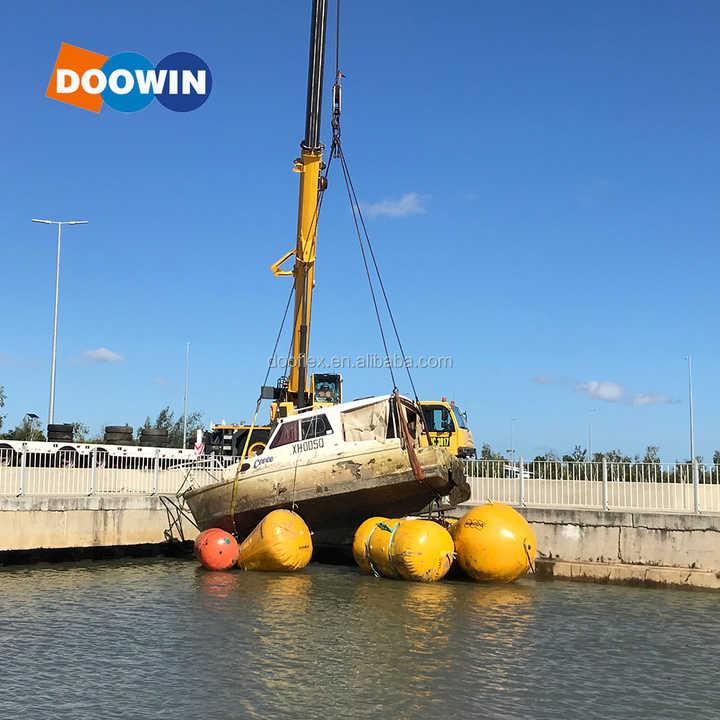

- As buoyancy exceeds weight, the wreck lifts.
- It is raised gradually to avoid structural stress.
- Once near surface, pumps remove remaining water.
📐 Simplified Technical Diagram (Concept)
     Surface
-----------------------
      ↑ Buoyant Force
     (Lift Bags)

      O      O
    [BAG]  [BAG]
       \      /
        \    /
       [ SUNKEN SHIP ]
            ↓
          Weight
🧠 Important Physics Principle
The lifting force comes from:
Buoyant Force = Weight of Displaced Water
- When air fills the bags:
- Volume increases
- Displaced water increases
- Upward force increases
- Ship rises
🎬 Best Type of Videos to Look For
Look for:
- 3D engineering animation
- Marine salvage documentary clips
- Physics classroom animations
- Naval engineering demonstrations
Some documentaries from channels like:
- National Geographic
- Engineering Explained
- Practical Marine Salvage demonstrations
Comments
Post a Comment